# Australian Resume Format: The Immigrant's Guide to Getting Past the First Filter
The recruiter spent 7 seconds on my first Australian resume before hitting delete. Seven seconds to dismiss two engineering degrees and 8 years of experience. The reason? I'd formatted it like every other resume I'd ever written — which meant it looked nothing like what Australian employers expected to see.
Here's what nobody tells you about the Australian resume format: it's not just different from what you're used to — it's designed around a completely different hiring psychology. When I came to Australia in 2015, I learned this the hard way. I was sending out resumes that would've gotten me interviews back home, but here they were landing in digital trash cans.
The Australian resume format prioritises relevance over credentials, storytelling over lists, and local context over international achievements. Get this wrong, and you'll join the thousands of skilled immigrants wondering why they can't even get a callback for roles they're overqualified for.
Understanding the Core Differences [in Australia](https://www.syncskills.com.au/blog/ndis-careers-australia-2026-opportunity-guide)n Resume Format
Australian resumes follow a "relevance-first" structure that differs significantly from international standards in length, content focus, and presentation style. Unlike the rigid one-page rule common in the US or the detailed CV format preferred in Europe, Australian employers expect a 2-4 page document that tells a compelling career story.
For example, imagine a candidate arriving from overseas with a PhD in Chemistry who can't understand why a meticulously crafted two-page academic CV isn't getting responses for business analyst roles. The problem usually isn't the qualifications. It's that they're being presented in a format that Australian recruiters can't quickly parse.
Here's what makes the Australian resume format unique:
Length expectations are flexible but purposeful. Graduate roles typically warrant 1-2 pages, while senior positions can justify 3-4 pages if every line adds value. I've seen brilliant candidates hurt themselves with one-page resumes that looked rushed, and equally talented people sabotage their chances with five-page novels that nobody finished reading.
Personal details are minimal by design. No photo, no age, no marital status — just name, phone, email, and location (suburb level is fine). This isn't about political correctness; it's because Australian anti-discrimination laws have shaped hiring practices around evaluating skills, not demographics.
The career objective has evolved into a professional summary. Instead of stating what you want, you're telling them what you bring. This shift reflects the Australian job market's focus on immediate value-add rather than long-term career development.
According to SyncSkills' experience with 250+ immigrants, the biggest formatting mistake is treating section headers as afterthoughts. Australian recruiters scan for specific information in predictable places. SyncSkills graduate Amarachi, who had studied IT but couldn't work in her field in Australia, knows how frustrating it is to get no response. At one point she said, "I haven't gotten any invites so far so I'm getting worried I'm doing the wrong things." She went on to land a six-figure Business Analyst role in Melbourne. Moving relevant certifications above overseas work history is one simple way to put key information where recruiters look first.
Essential Sections and Structure for the Australian Resume Format
The optimal Australian resume format follows this hierarchy: Contact details, Professional summary, Key skills, Professional experience, Education, and Additional sections as relevant. Each section serves a specific filtering purpose in the Australian recruitment process.
Your Professional Summary isn't a career objective — it's your 30-second pitch in paragraph form. This is where you position yourself for the Australian market. When I was transitioning from engineering to business analysis, I didn't write "Seeking opportunities to leverage my technical background." Instead: "Systems engineer with 8+ years optimising complex processes, now focused on bridging technical solutions with business requirements in the Australian financial services sector."
The Key Skills section functions as an ATS (Applicant Tracking System) filter and human scanner simultaneously. But here's the critical part that most immigrants miss: don't just list technologies or methodologies. Cluster them by relevance to the role. If you're applying for a business analyst position, lead with "Business Analysis & Requirements Gathering" before listing "Technical Skills" or "Project Management Tools."
Your Professional Experience section is where the Australian format really differs from international standards. Each role needs: - Company name and brief context (especially for overseas companies) - Your title and reporting structure - 3-4 bullet points focusing on achievements, not duties - Quantified results wherever possible
Here's an example of how to reframe international experience for Australian employers:
Before: "Worked as Senior Analyst at ABC Bank in Lagos, responsible for credit risk assessment and loan approvals."
After: "Senior Credit Analyst | ABC Bank (Nigeria's 3rd largest retail bank, $2.8B assets) • Assessed credit risk for SME loan portfolio worth ₦15B ($40M AUD), maintaining default rate 2.3% below industry benchmark • Streamlined approval processes reducing decision time from 14 to 6 business days • Collaborated with cross-functional teams including legal, compliance, and relationship managers"
The difference? Context, impact, and translation into terms Australian employers understand.
SyncSkills' analysis of successful career transitions shows that resumes focusing on transferable outcomes rather than specific industry knowledge perform 3x better in the Australian market.
For immigrants considering broader career changes, our Complete Guide to Career Change in Australia provides additional context on positioning your background for new industries.
Common Mistakes Immigrants Make with Australian Resume Format
The most damaging mistake in Australian resume formatting is treating every application identically, rather than tailoring content and emphasis to match specific role requirements. This "spray and pray" approach wastes your time and signals to employers that you haven't bothered to understand their needs.
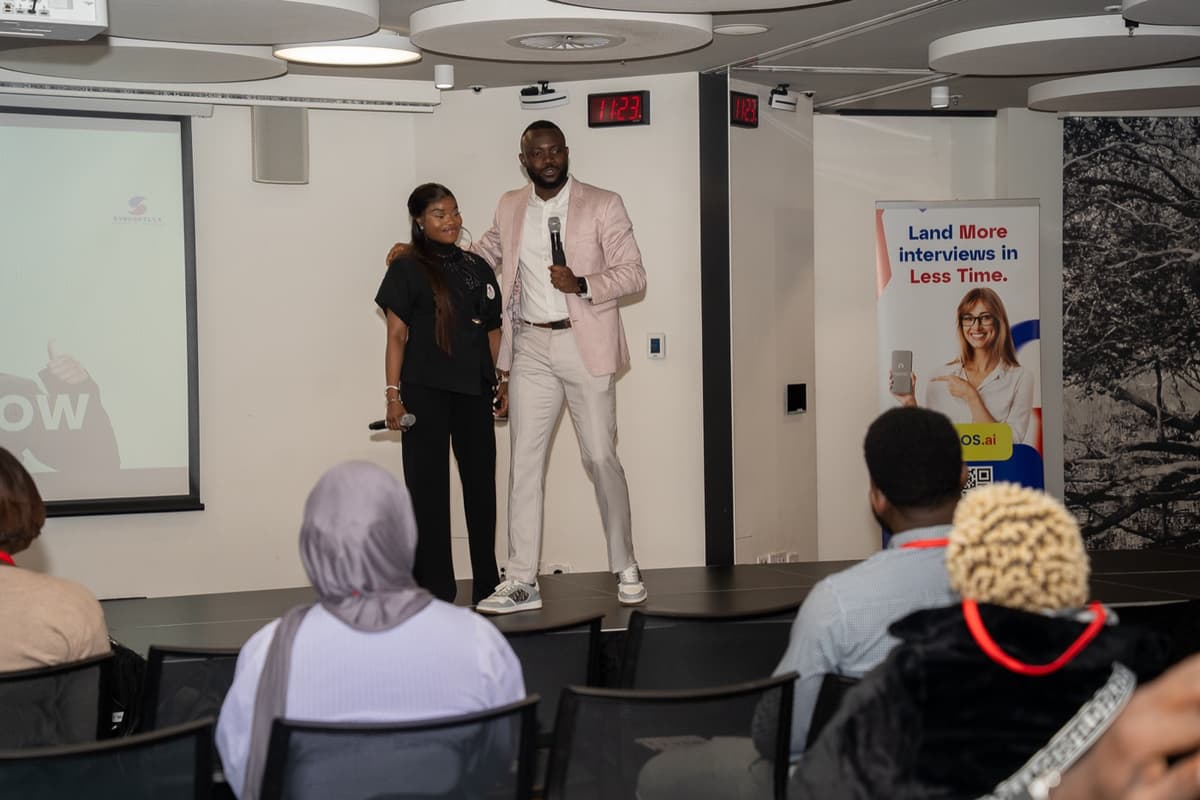
During our recent webinar, I told the story of reviewing applications where candidates applied for business analyst roles using resumes that also listed "customer support, disability support worker, assistance in nursing" in the same document. Imagine walking into a GP's office and seeing a resume on the wall listing "teacher, lawyer, plumber" alongside "doctor." Would you feel comfortable letting them diagnose you?
Resume dumping is career suicide. Each application should feel like it was crafted specifically for that role, that company, that industry context. This doesn't mean fabricating experience — it means emphasising the most relevant aspects of your background.
Here are the formatting mistakes that kill applications before they're properly reviewed:
Generic objective statements that could apply to any role at any company. "Seeking challenging opportunities to grow my career" tells employers nothing about why you're the solution to their specific problem.
Overseas qualifications without context. Listing "Bachelor of Engineering, University of Mumbai" means nothing to Australian employers who don't know whether that's equivalent to a local degree. Add context: "Bachelor of Engineering (equivalent to Australian Engineer qualification), University of Mumbai (ranked top 10 nationally)"
Currency and measurement confusion. Listing achievements in rupees, naira, or other currencies without AUD conversion makes it impossible for recruiters to assess scale. Similarly, using unfamiliar measurement units or regulatory frameworks without Australian context.
Over 250 immigrants have made career transitions with SyncSkills
See how others turned their overseas experience into Australian careers.
Read Success StoriesIrrelevant personal information that's standard in some countries but unnecessary in Australia. Hobbies section with "reading, traveling, cooking" — unless these directly relate to the role (hospitality, tourism, food industry), they're taking up valuable space.
Technology name-dropping without proficiency levels. Listing "Python, R, SQL, Tableau, Power BI, Excel, SAP" as a single line doesn't tell employers anything about your actual capability with each tool.
The solution isn't just better formatting — it's understanding that your resume must bridge two worlds. You're translating your international experience into Australian business language while positioning yourself as someone who can hit the ground running.
For those exploring tech transitions specifically, our guide on Career Change To Tech Australia explains how to position technical skills effectively.
Optimising Your Australian Resume Format for ATS and Human Readers
Australian Applicant Tracking Systems scan for keyword density, section structure, and file format compatibility, but human recruiters make decisions based on story flow, cultural fit indicators, and evidence of Australian market understanding. Your resume must satisfy both filters simultaneously.
Most ATS software used by Australian companies expects standard section headers: "Professional Experience" not "Career History," "Education" not "Academic Background," "Skills" not "Core Competencies." These aren't arbitrary preferences — they're database field names that determine whether your resume gets parsed correctly.
File format matters more than most immigrants realise. Submit as .docx unless specifically requested otherwise. PDFs can cause formatting issues with older ATS systems, potentially scrambling your carefully organised content into unreadable text blocks.
Here's the keyword strategy that works in the Australian market: study the job advertisement and naturally incorporate their language into your resume. If they mention "stakeholder engagement," don't substitute "client communication." If they want "Agile methodology experience," don't write "experience with iterative development approaches."
But keyword stuffing will backfire. Australian recruiters are sophisticated enough to spot resumes that read like a random assemblage of buzzwords. The goal is natural integration of relevant terminology within compelling achievement statements.
White space and visual hierarchy are crucial for Australian resume scanning patterns. Recruiters here typically spend 15-30 seconds on initial review, scanning in a Z-pattern: top left (name/title), across to top right (contact details), diagonal down to professional summary, then down the left margin hitting job titles and company names.
Structure your content to support this scanning behaviour: - Consistent formatting for dates, company names, and job titles - Adequate white space between sections - Bullet points that start with action verbs - Bold text for emphasis, not decoration
According to SyncSkills' tracking of successful applications, resumes that balance ATS optimisation with human readability see 40% higher callback rates than those optimised for only one audience.
Font choice signals cultural awareness. Stick to standard business fonts: Arial, Calibri, or Times New Roman in 11-12pt. Creative industries might allow more flexibility, but most Australian corporate environments prefer conservative formatting that puts content over style.
For professionals over 30 navigating career transitions, our Career Change At 30 Australia guide provides specific insights on positioning experience effectively.
---
You might also like
- Ai Automation For Small Business
- Best Careers For Career Changers Australia
- Linkedin Profile Tips Australia
Frequently Asked Questions
How long should my Australian resume be?
Australian resumes typically range from 2-4 pages depending on experience level and role seniority. Graduate positions usually warrant 1-2 pages, while senior or specialist roles can justify longer formats if every section adds value. The key is relevance over length — a focused 3-page resume outperforms a padded 2-page version every time.
Should I include a photo on my Australian resume?
No, never include photos on Australian resumes unless applying for roles where appearance is directly relevant (modelling, acting, some customer-facing hospitality positions). Australian anti-discrimination laws encourage skills-based hiring, and photos can actually work against you by triggering unconscious bias or making employers uncomfortable about compliance.
How do I explain overseas work experience to Australian employers?
Provide context for international employers by briefly describing company size, industry position, or market relevance, then focus on transferable achievements using Australian business terminology. For example: "Senior Analyst | DEF Corporation (India's largest telecommunications provider, 300M+ subscribers)" followed by bullet points emphasising outcomes that translate across markets.
Can I use the same resume for multiple job applications?
Absolutely not — each application requires tailoring your resume to match specific role requirements and company language. This doesn't mean rewriting everything, but rather emphasising the most relevant experiences and adjusting keyword usage to mirror the job advertisement. Generic resumes signal lack of genuine interest in the specific opportunity.
What's the biggest resume mistake immigrants make in Australia?
The most damaging mistake is failing to translate international achievements into Australian business context, leaving employers unable to assess the relevance or scale of your experience. This includes using unfamiliar currencies, regulatory frameworks, or company names without providing local market context that helps Australian recruiters understand your background.
Ready to transform your resume from an application killer into an interview generator? At SyncSkills, we've helped 250+ immigrants successfully navigate the Australian job market by mastering not just resume formatting, but the entire career transition process. Whether you're looking to break into tech, business analysis, or completely change directions, we provide the practical frameworks and cultural insights you need to succeed.
Don't let poor resume formatting keep you stuck in the "application black hole." Visit SyncSkills.com.au to learn how our proven system can help you land interviews and build the Australian career you deserve.